ROCKHAPPENZ.com homepage

The Clean

ROCKONZ Rock Hall Of Fame
First Name· Last Name· Groups· Venues· Events· Entities· Submit· e-Mail· Links· Search


ROCKHAPPENZ Public Collection


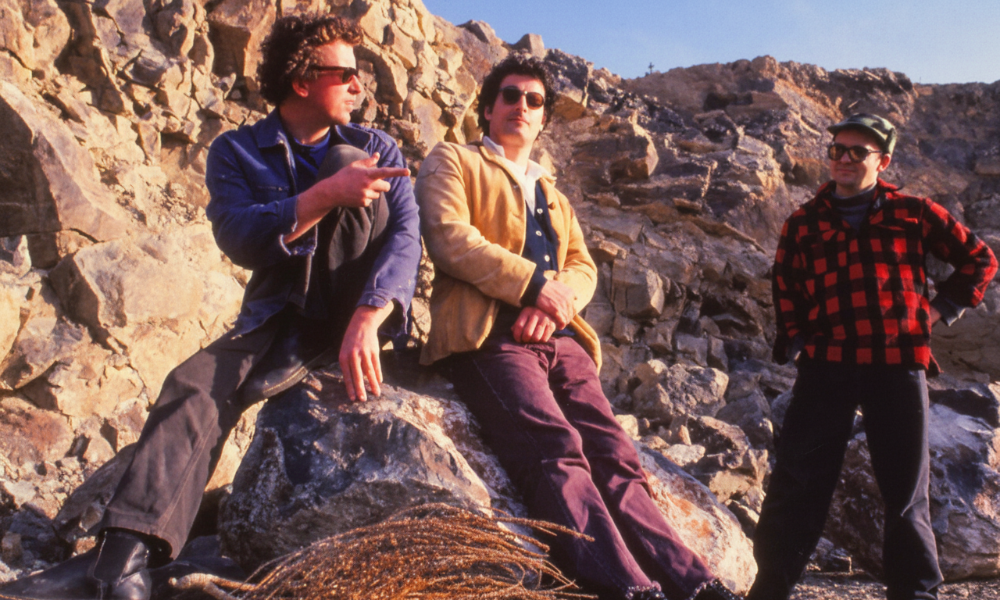
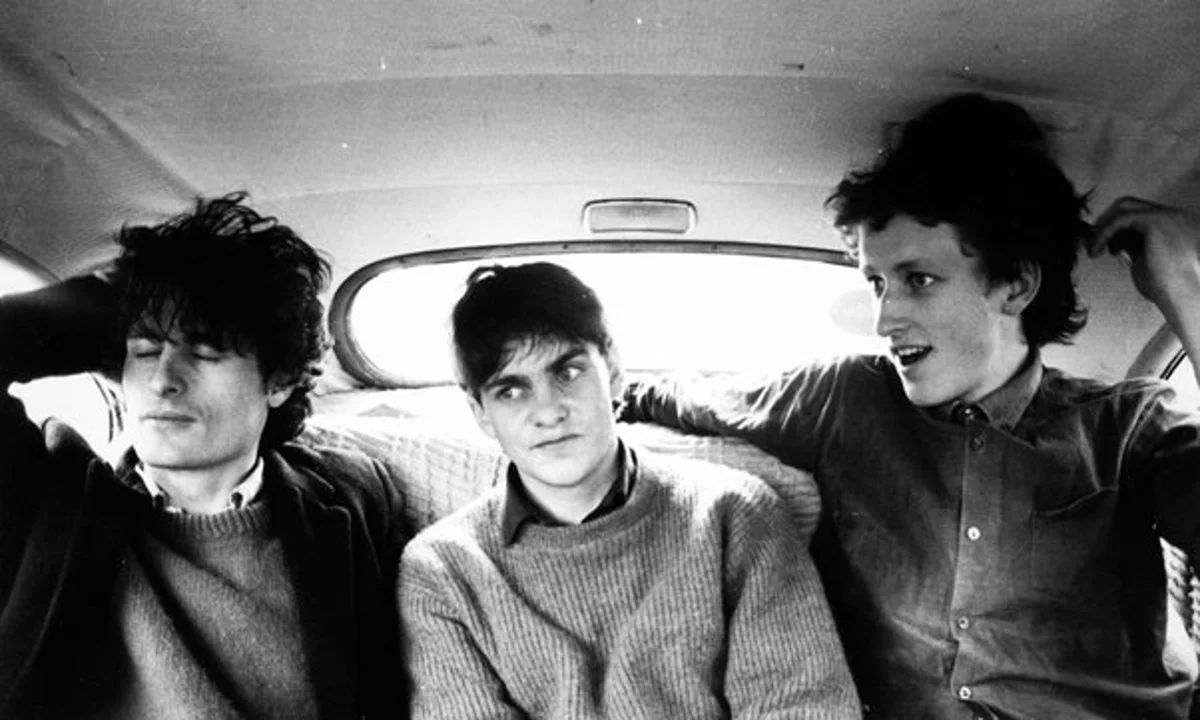
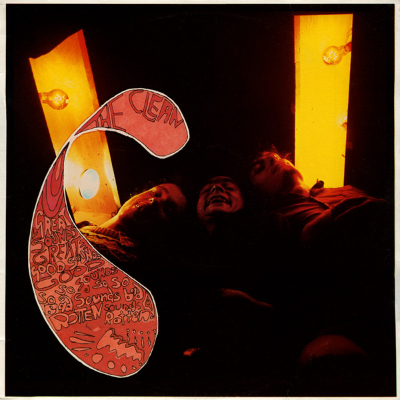
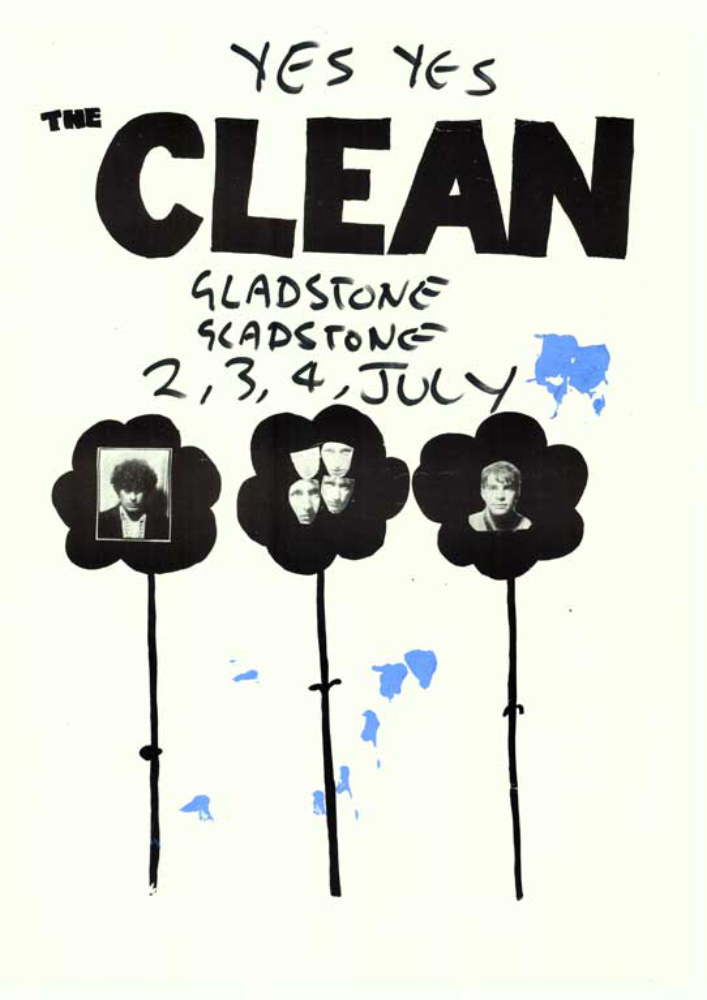
The Clean  —  David Kilgour (Guitar/Bass/Vocals), Hamish Kilgour (Drums) and Robert Scott (Guitar/Bass/Vocals)  —  Vince Pinker (Guitar) not shown.

Led by brothers Hamish and David Kilgour, the band rotated through a number of musicians before settling on their well-known and longest running line-up with Robert Scott.  Their name comes from a character from the movie Free Ride called Mr.  Clean.

Hamish and David Kilgour started to write and play music together in Dunedin in 1978, influenced by 1960s pop rock and garage records, punk rock, and psychedelic music.  Both brothers were part of a small but growing alternative music scene at the time in Dunedin, which followed the growing American and British punk movements closely through imported magazines and vinyl records.  Hamish was friends with Chris Knox the then front-person of early influential New Zealand punk band The Enemy.  The Clean began playing live shows in Dunedin in mid-1978 alongside The Enemy, initially featuring Hamish on guitar, David on drums, Doug Hood on vocals, and Peter Gutteridge on bass.  In 1979 the band temporarily relocated to Auckland without Gutteridge - leaving the band with no permanent bass player.  Hamish transitioned to vocals, and was replaced on drums by Lyndsay Hooke.  In 1980 the Kilgours moved back to Dunedin, and Robert Scott joined the band on bass, with Hamish moving to the drums and David to guitar and vocals.  Past members of the group included-— David Kilgour (Drums/Guitar/Vocals), Hamish Kilgour (Guitar/Drums), Lyndsay Hooke (Drums), Peter Gutteridge (Bass), Doug Hood (Vocals) and Robert Scott (Bass).

The Clean's pre-eminent place in Flying Nun lore comes down to two factors - their unchallengeable position as the band that started it all 21 years ago, and the group's absolute dedication to free-flowing chemistry and musical experimentation in the pursuit of creating incredible records.  The importance of the former and the influence of the latter over a huge stream of musicians in New Zealand and around the world ever since cannot be under-estimated.  Plus there's the small fact that no other Flying Nun band has thrown so much variety at a tape recorder and seen it all stick.

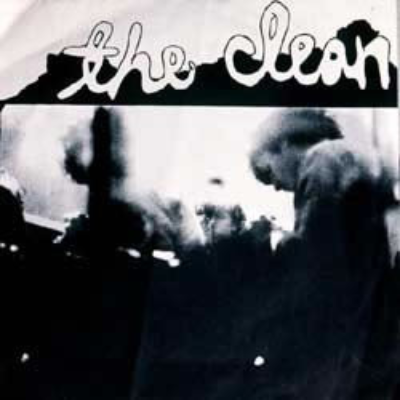
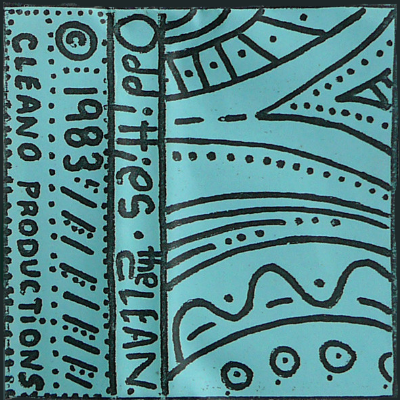
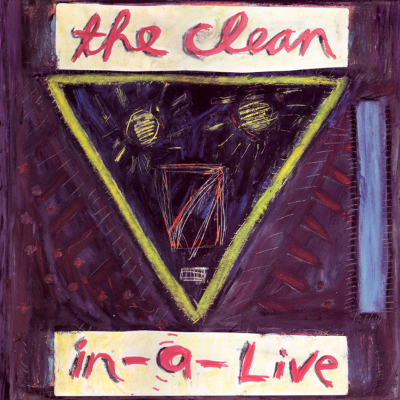
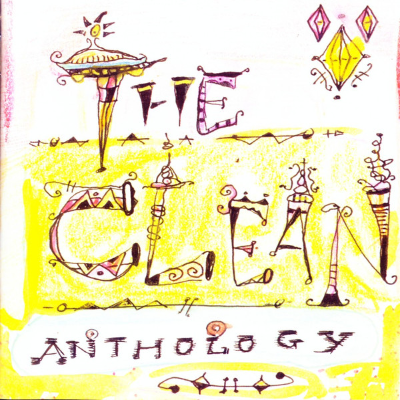
The Clean made their first recordings for Flying Nun in 1981.  The first of Anthology's two discs features tracks from the band's early recordings for Flying Nun - two 12" EPs, two 7" singles, a perfectly-titled cassette of Odditties and a (somewhat premature) posthumous live EP called Live Dead Clean.  These are the songs that set Flying Nun out of the blocks at a pace that bewildered the label's founder Roger Shepherd to the point that he remains a man with a permanently bewildered air about him.  They are the songs that made student radio and student flats the most fun places to listen to music in the 1980s, and they are songs that still ring with infectious clamour twenty years on.  Anthology kicks off with The Clean's call-to-arms debut Tally Ho.  The track simply sounds like the stuff that legends are made of, and indeed the story of its $60 recording bill has long passed into Flying Nun folk lore.


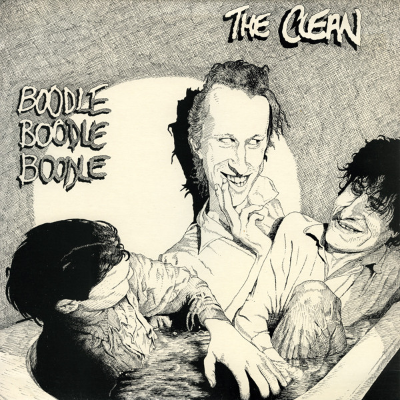
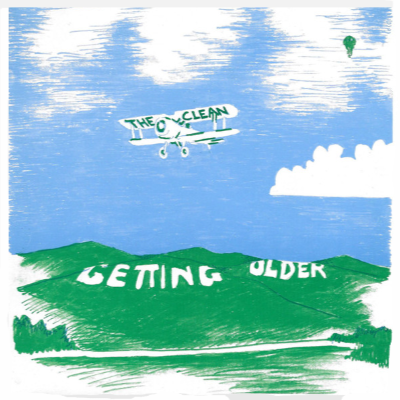
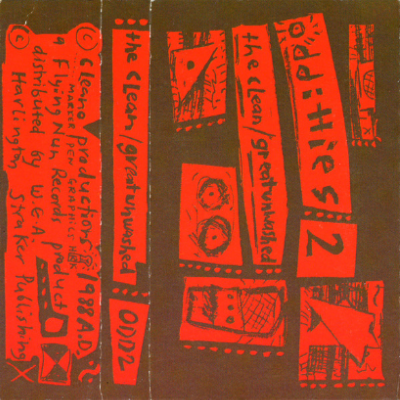
By early 1980 the trio was performing regularly around town.  Early the next year, local fan Roger Shepherd launched Flying Nun Records specifically to issue The Clean's debut single, Tally Ho! - its jagged guitar lines, buoyant melody, and steady organ propelled the track to number 19 on the national charts.  While gearing up for a first album, the group found that New Zealand's limited pool of engineers showed little interest in their songs.  Rather than argue, The Clean retreated to a four-track recorder under the supervision of Chris Knox and Doug Hood.  The resulting Boodle Boodle Boodle EP appeared in November 1981 and stunned observers by reaching number four on the charts.  Both that release and the 1982 EP Great Sounds Great reflected the band's eccentric side, largely because studio limitations prevented capture of their full live roar.  Later in 1982 they issued their most aggressive single to date, Getting Older. and shortly afterward David Kilgour left for Dunedin.  Robert Scott followed suit and soon formed The Bats.  Hamish relocated to Christchurch, home of Flying Nun, and acquired his own four-track.  David later joined him to complete solo material and several Clean pieces which were issued under the name The Great Unwashed, the recordings were compiled on Clean Out of Our Minds, an album that traded punk edge for a folkier, acoustic approach.  To support the record, the Kilgours rejoined Peter Gutteridge, still performing as The Great Unwashed.  The tour spotlighted Gutteridge's accumulated songs.  At the start of 1984 they cut the EP Singles, which received strong radio play and sales.  Bassist Ross Humphries was added to free both David Kilgour and Gutteridge for guitar duties, yet The Great Unwashed dissolved within a year.  Hamish formed Bailter Space with guitarist Alister Parker.  Gutteridge launched Snapper, and David stepped away from music for several years.


1981


1981


1981


1982


1982


1983


1986


1988


1989


1990


1994


1994


1996


2001


2001


2002


2003


2008


2009


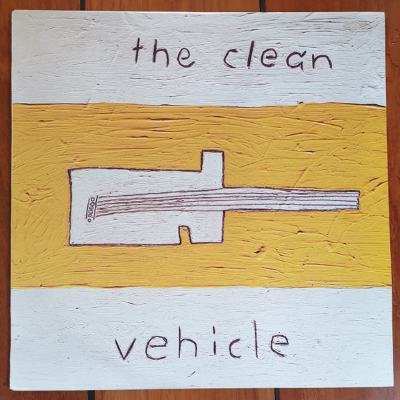
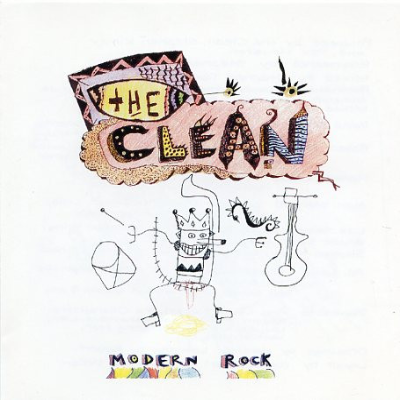
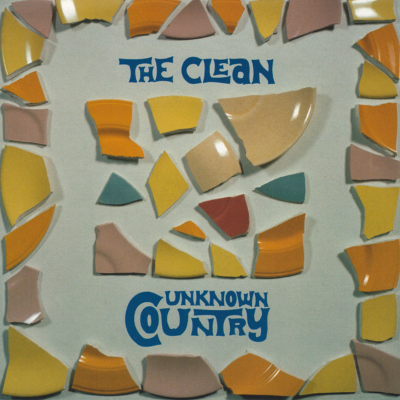
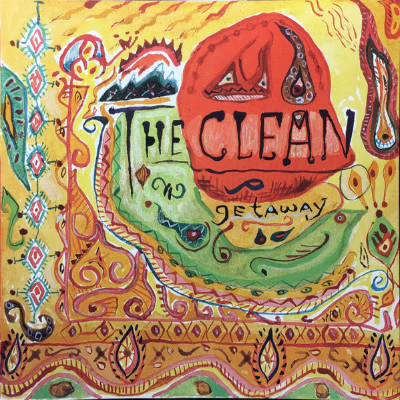
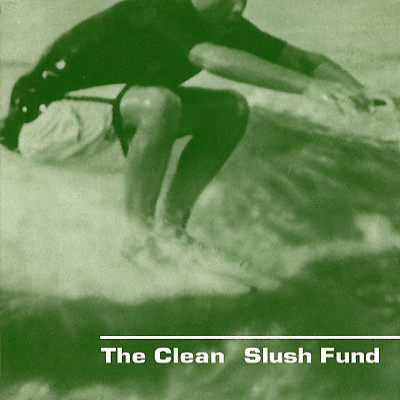
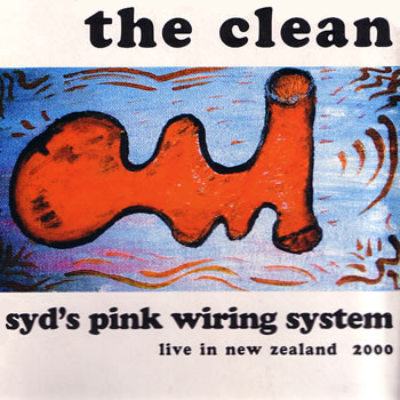
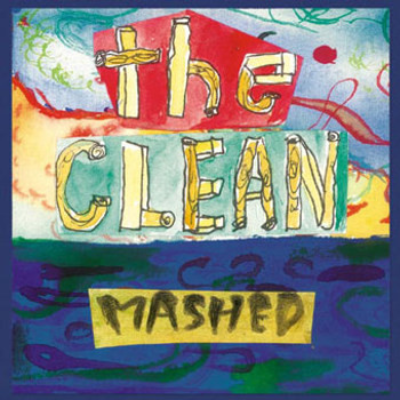
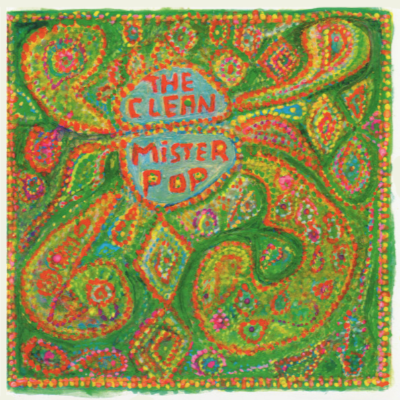
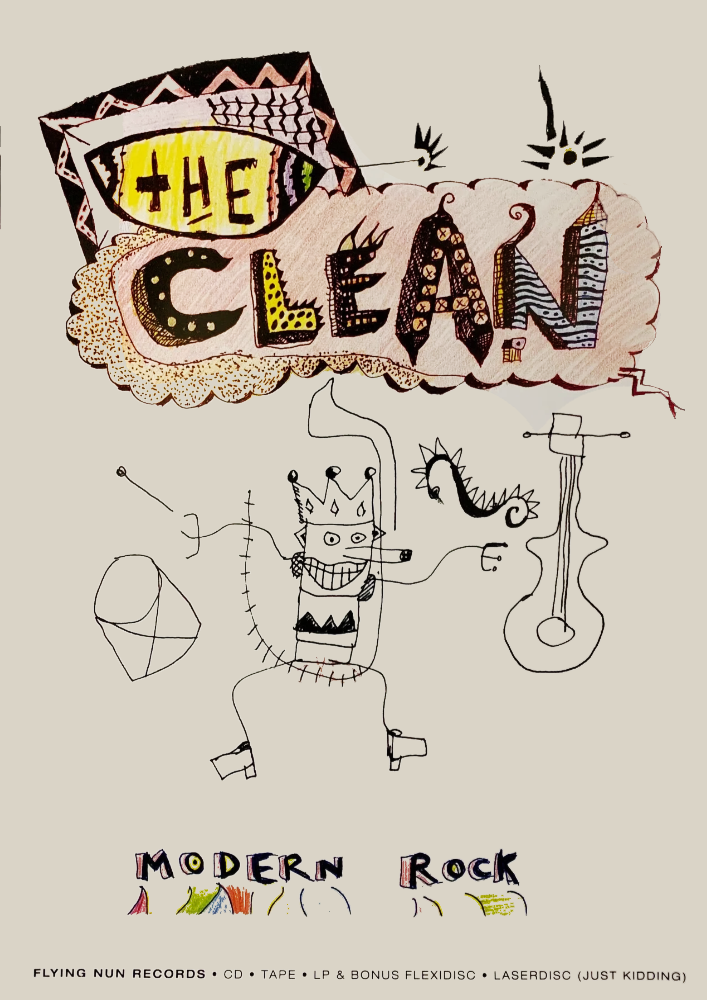
The Clean, again featuring Robert Scott, regrouped for two London shows in 1988; a five-song EP drawn from those performances surfaced the following year.  Encouraged, the members mounted a world tour and afterward recorded Vehicle, a 1990 album leaning more toward straightforward pop.  Another world tour followed before the band split once more.  David Kilgour pursued solo work, Robert Scott returned to The Bats, and Hamish Kilgour moved to New York to start The Mad Scene.  The group reunited in 1994 to make Modern Rock, issued in late 1995, then Unknown Country in 1996 before parting again.  They reconvened in 2000 for a hometown festival in Dunedin and remained active long enough to release Getaway on Merge Records in 2001, an album featuring guests Ira Kaplan and Georgia Hubley of Yo La Tengo.  Two years later Flying Nun and Merge jointly issued the retrospective Anthology.  Additional live documents appeared over the next several years:  Slush Fund in 2001, Syd's Pink Wiring System in 2003, and Mashed in 2008.  The decade closed with Mister Pop in 2009, after which the trio played a handful of international dates.  Back home they began sessions for another album, only to abandon them following the major earthquake that struck New Zealand in early 2011.  Further U.S.  tours took place in 2012 and 2014, followed by two Australian concerts in early 2015.  In subsequent years the members focused on outside projects, Scott with The Bats and both Kilgour brothers on solo endeavors, until Hamish Kilgour's passing at the end of 2022.