| |
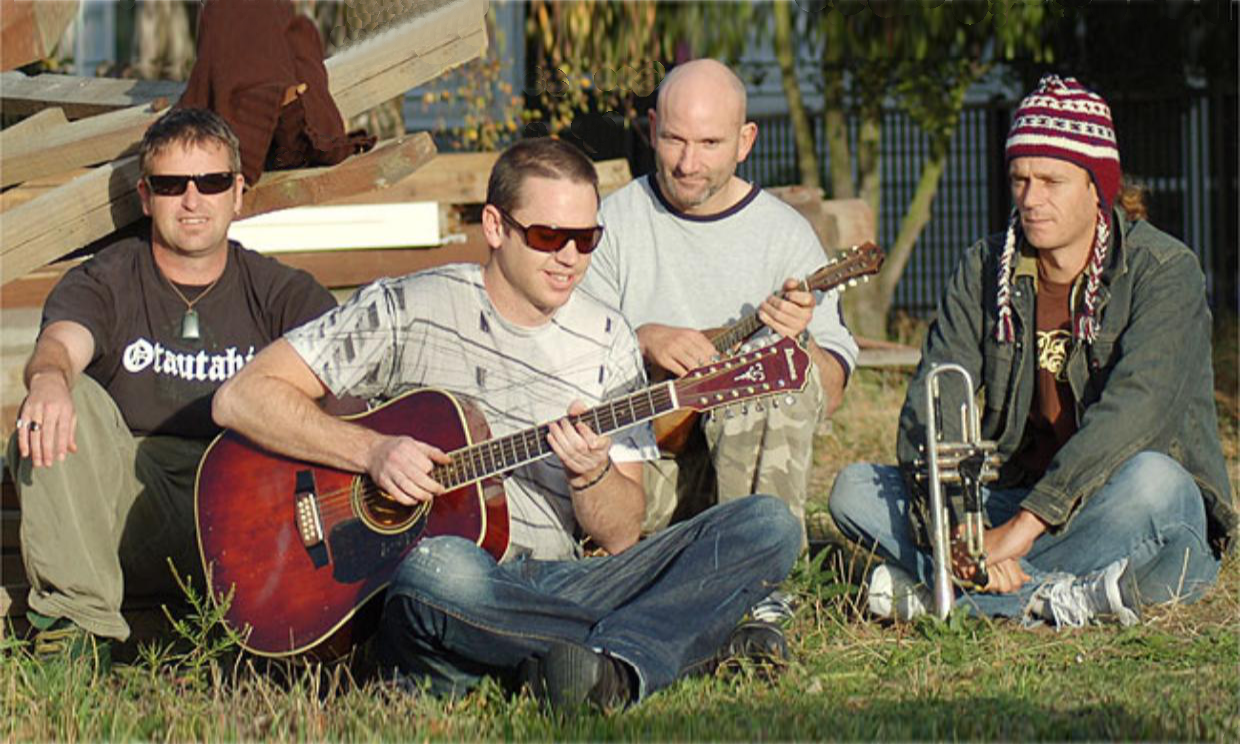
Salmonella Dub is a Dub/Drum 'n' Bass/Reggae/Roots band from New Zealand formed in 1992 .....
Andrew Penman (Guitar/Samples/Vocals/Production), David Deakins (Drums/Vocals), Mark Tyler (Bass/Samples) and Tiki Taane joined in 1996 as a live sound engineer, later becoming the lead vocalist and frontman before leaving to go solo in 2007.
The group has toured extensively throughout New Zealand, Australia, The United Kingdom, and Ireland. Along with other 1990s bands including Hallelujah Picassos and Supergroove, the Dubsters have been called pioneers of a unique Pacific style of Dub/Drum 'n' Bass/Reggae/Hip Hop and groove-based rock containing elements of the Polynesian hip hop style known as Urban Pasifika. The band helped foster and tour acts like Fat Freddy’s Drop, Shapeshifter, Cornerstone Roots, Kora, and Trinity Roots, as well as the new wave of Australian acts like Budspells, Rastawookie, King Tide and Red Eyes. Salmonella Dub helped break new ground in an Australasian alternative music scene which was dominated through most of the 1990s by straight guitar rock and electronic dance music.
Salmonella Dub played its first gig in January 1993 at the Westport racecourse tearooms, to an audience of 64 people. The band's name was a reference to the bad-taste covers they performed in a dub-reggae style. In 1996, Penman described the band's style as bastardised dub ......
Salmonella Dub is still touring, releasing new music, and enjoying being on the road. Metropol Editor Lynda Papesch caught up with co-originator Andrew Penman, aka DJ Rudeboy, ahead of two Lyttelton performances in November. Times, music and technology have changed much during the last three decades, yet the legend of Kiwi favourite Salmonella Dub lives on. Frontman Andrew is now older, wiser, and more tech savvy. Making music has evolved hugely, opening up far more opportunities now, he says. "In the early days living in Christchurch and playing regularly at The Dux De Lux and Quadrophenia through the 1990s, we would rehearse twice a week, writing material for albums that were recorded reel to tape. By 1995, with help from David Harrow of ONu Sound, we switched to recording on the grid digitally and started experimenting with our first forays into jungle tempo switches. This digital process contributed to more opportunities to develop our sound and our ability to remix and cut album tracks for radio," Andrew explains. |
|


 ·
· Last Name