| |
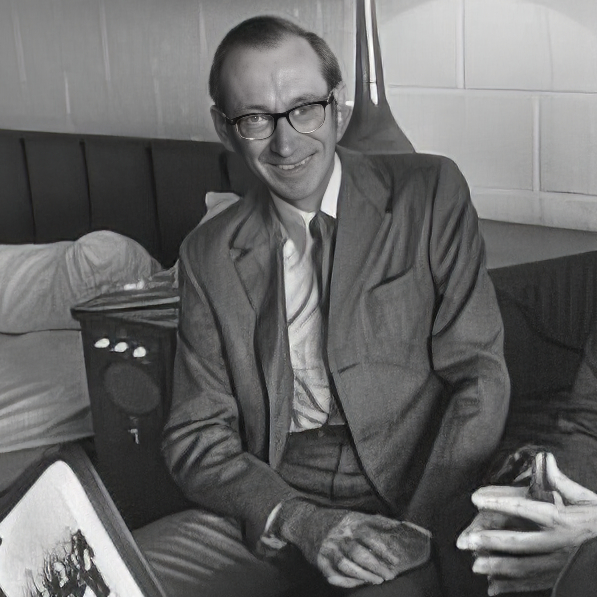
Featuring prominently on racks of 45rpm records in the nation's record stores in the early to mid-1960s, Peak was a prolific South Island record label established in 1959 by Jack Urlwin who was the son of a wealthy electrical wholesaling and manufacturing family from the Waltham area of Christchurch. In his mid-30s, Jack Urlwin was an amateur songwriter with aspirations, and by 1957 he'd already had some 20 songs listed with APRA. APRA listings in those days required that they were available on sheet music. Urlwin told The New Zealand Listener that he had "gone overboard for music when he was introduced to jazz during the last war".
He left the family business in the mid-1950s to create an advertising agency in the city, however, he passionately wanted to play jazz (being highly regarded drummer in his leisure time, and a less accomplished clarinet player), and also to record other local jazz musicians. Pulling together funds from like-minded friends, he formed Peak Records, which he named after Mitre Peak in Fiordland (utilising an image of the mountain on the record label. The Christchurch Press was told that the company was interested in listening to any person who is convinced he or she is as good as an overseas counterpart ..... The first releases were all local recordings by the likes of Pat Vincent and The Chuck Fowler Quartet. None sold huge quantities, but Jack had bigger ambitions for the label.
In 1960 he travelled to the UK and the USA picking up a raft of record labels, not least of which were some very substantial US labels — Epic, Okeh, Cadence and King (including its Bethlehem jazz subsidiary). Peak was the first label to release James Brown in NZ (from King) and the label did exceptionally well distributing Epic, a branch of the giant New York-based CBS empire (as was Okeh). From the UK he fostered a deal with Oriole Records, managing also to license NZ product back to them, including a Lennon-McCartney songbook by jazz pianist Barry Markwick in 1965, something that sold well in both countries. This was followed with a sequel in 1965. Jack recalled his meeting with King as "an interesting meeting with King Records in New York and it was a six to one situation! There were six large negroes in the room with Urlwin, and they were domineering and overwhelming, wanting to know what a "white boy" knew about the blues"? |
|


 ·
· Last Name